
From Concept to Validation: How Trailer Designs Take Shape
November 5, 2026
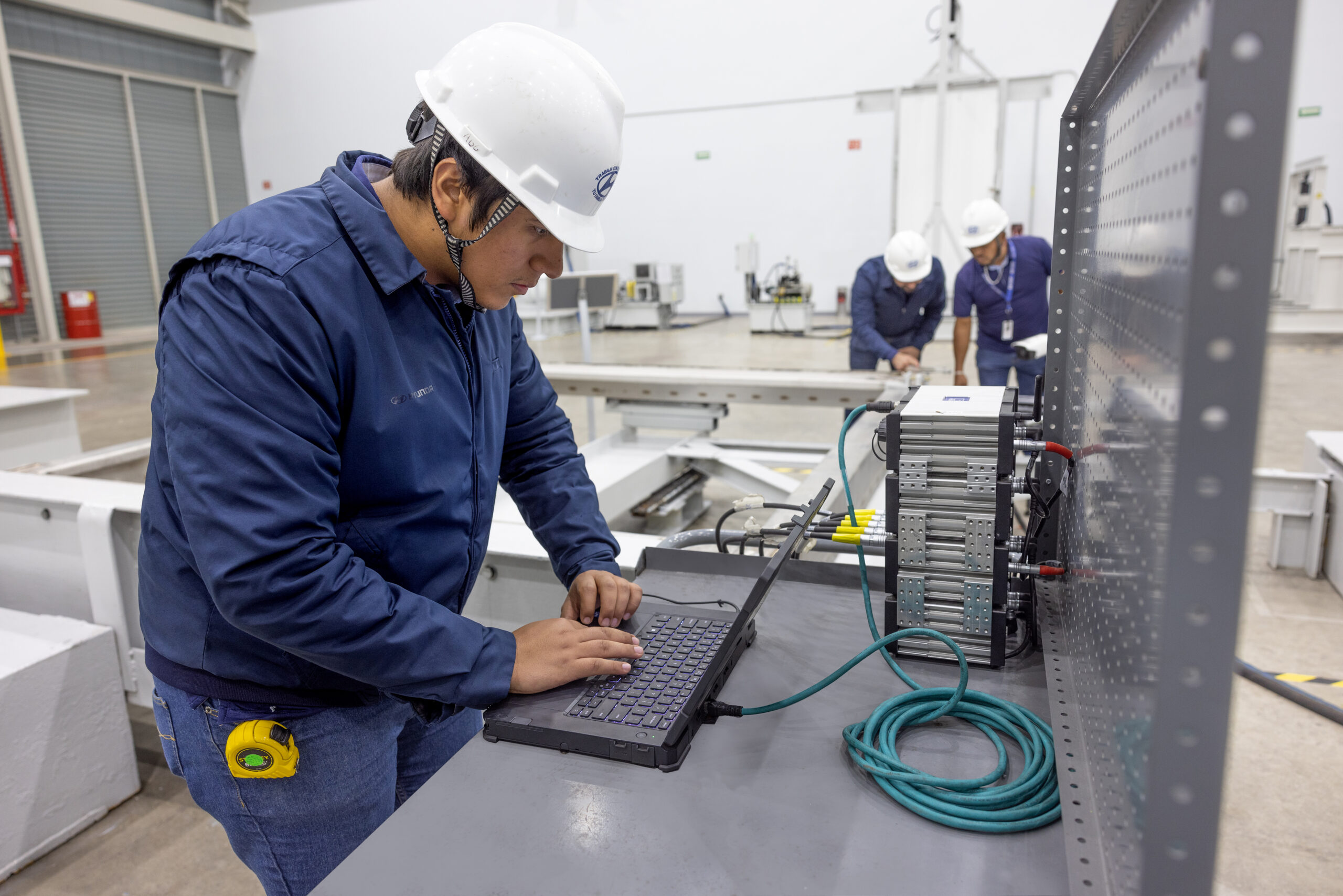
New trailer designs often begin with a fleet need, field observation, or emerging operating requirement. Turning that insight into dependable equipment requires a disciplined development process that connects customer input, engineering analysis, manufacturability, and validation. At Hyundai Translead, product development is structured to ensure new designs are not only innovative, but also durable, scalable, and ready for the demands of commercial fleet operations.
Through design, prototyping, and evaluation, Hyundai Translead works to ensure each new product aligns with fleet requirements and performs reliably once it enters service.
- Product development begins with customer insight and clearly defined operational needs, supported by a structured process that guides engineering, design, and validation.
- Prototyping and testing help confirm real-world performance before mass production.
- Manufacturing readiness ensures new designs can be built consistently at scale.
A Structured Approach to Product Development
Hyundai Translead invests in the tools, engineering expertise, and development processes required to move ideas through each stage of development. This structured framework helps refine concepts, evaluate performance, and confirm readiness for production, supporting consistent quality across the product lineup.
This structured approach allows Hyundai Translead to expand responsibly into new applications while maintaining consistency in performance, durability, and production.
Concept Development
New product development often begins by identifying a recurring fleet challenge or operational gap. This insight establishes a clear foundation for further evaluation and design, guiding decisions throughout the development process.
Establishing Direction
Each development cycle is guided by a product charter that outlines the project’s scope and intent. This includes:
- The purpose of the product.
- Customer and operational needs being addressed.
- Performance and design objectives.
- Intended use cases.
- Key milestones and development requirements.
This helps ensure alignment across engineering, manufacturing, and cross-functional teams throughout the project lifecycle.
Defining Product Requirements
With direction in place, teams translate objectives into detailed product requirements, including:
- Structural and dimensional specifications.
- Performance targets.
- Functional features.
- Safety and regulatory considerations.
Clear requirements provide engineering teams with a defined framework for decision-making during design and testing.
Engineering and Product Design
During the design phase, engineers develop detailed drawings, models, and layouts that balance performance goals with manufacturability and long-term durability. This stage is where form, function, and production considerations intersect.
Design reviews help ensure concepts remain aligned with the original requirements as they move toward prototyping.
Prototyping for Evaluation
Once initial designs are established, prototypes are built to evaluate functionality and construction methods. This allows teams to:
- Assess real-world fit and performance.
- Refine structural details.
- Validate component integration.
These evaluations help identify opportunities for improvement before designs advance further.
Prototype Testing and Validation
Prototypes undergo testing to verify that key design requirements are met across the conditions trailers encounter in service. These requirements include:
- Structural integrity.
- Load performance.
- Environmental durability.
- Stress and fatigue resistance.
- Road handling performance.
This phase ensures that products are evaluated under real-world conditions.
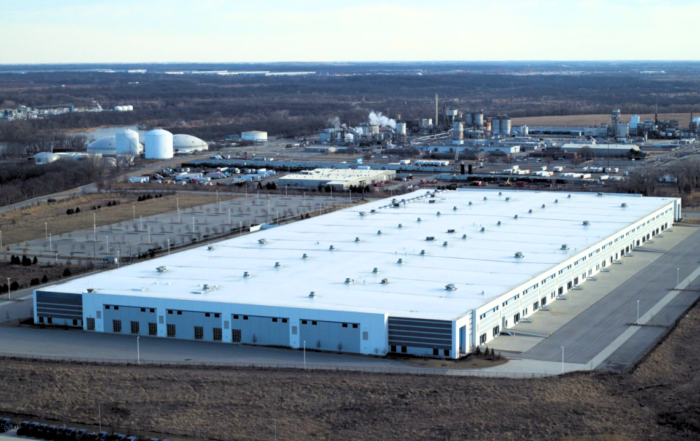
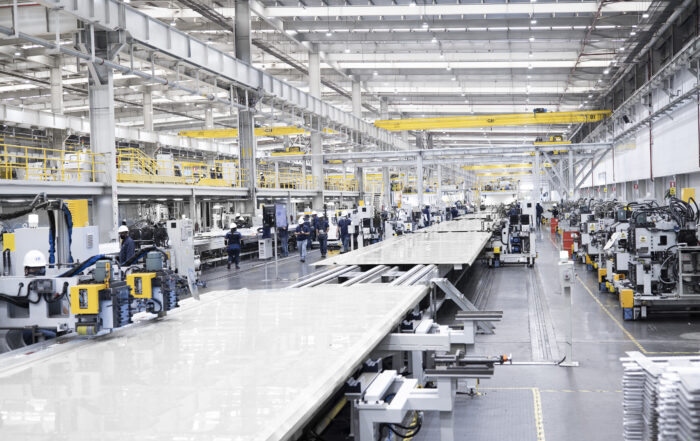
Manufacturing Readiness and Scale
Before a product moves into mass production, teams assess manufacturing readiness to confirm it can be built consistently and efficiently. Considerations include:
- Assembly processes and workflows.
- Dimensional tolerances.
- Repeatability and quality controls.
- Production efficiency and cost factors.
This step helps ensure that validated performance can be repeated across production, giving fleets confidence that each unit is built to the same design intent, quality expectations, and operating standards.
Turning Insight into Reliable Equipment
Hyundai Translead’s development framework helps ensure new trailer designs:
- Start with clearly defined customer needs.
- Follow disciplined engineering and validation steps.
- Are supported by repeatable and scalable manufacturing processes.
- Deliver consistent, road-ready performance.
This approach connects early-stage concepts and fleet insight with engineered, validated, and production-ready trailer solutions that customers can depend on long-term.
Learn more about how Hyundai Translead develops and validates trailer solutions
Contact your regional sales representative
For media inquiries, please contact: PR@hyundaitranslead.com
 Spanish
 English